USDT is the most popular stablecoin in the world, issued by Tether Limited to maintain an exchange rate of 1 USDT = 1 USD.
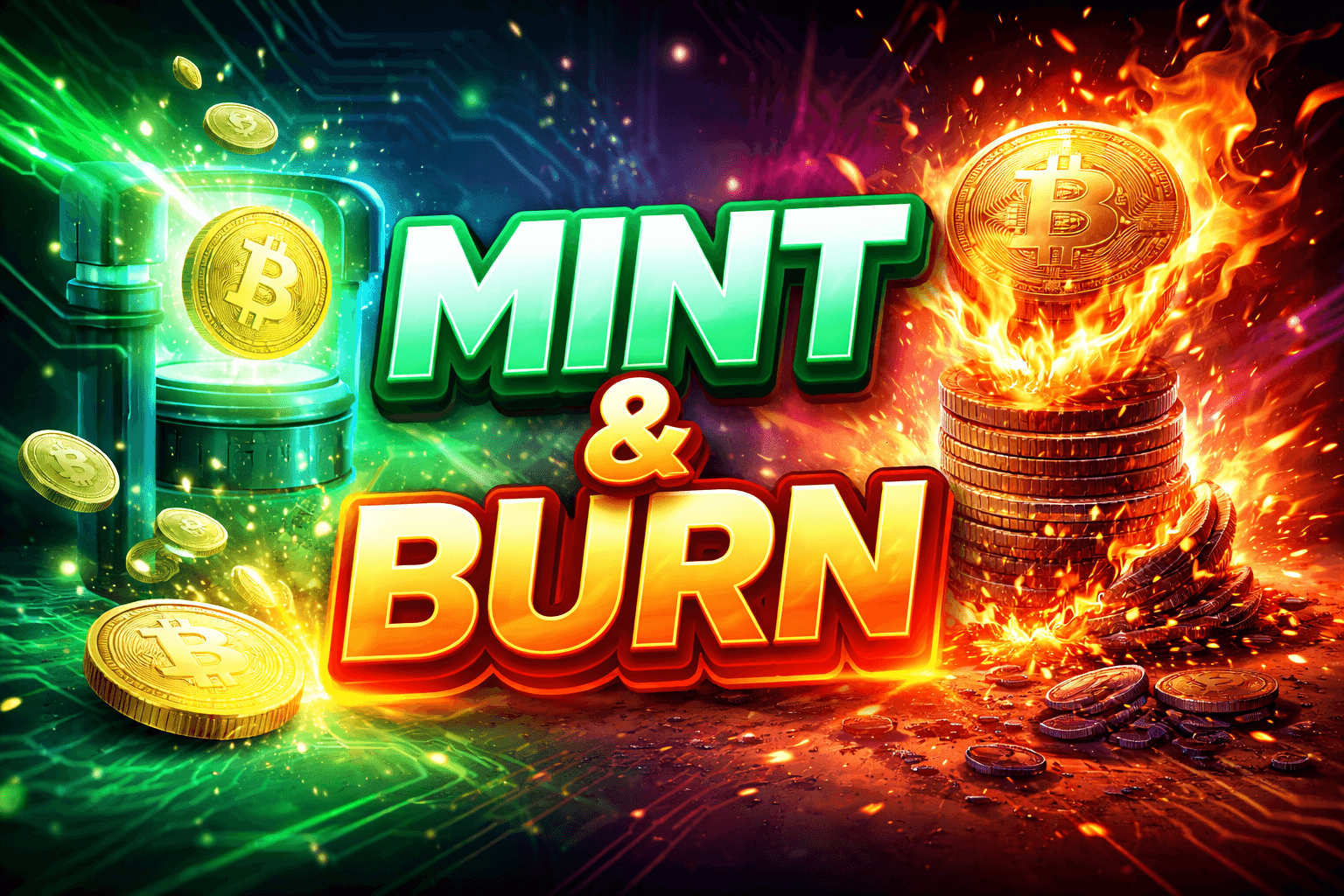
To keep the price stable, Tether uses a Mint & Burn mechanism, also known as Issuing and Burning USDT.
This article will explain in detail the Mint, Burn, operation mechanism, on-chain data, and their important roles in maintaining stability and market confidence.
What is Mint? (Issuing USDT)
Definition
Mint is the process of creating new USDT to circulate.
USDT is only issued when Tether receives actual USD from customers or partners.
Mint Process
Investors send USD to Tether Limited.
For example: A crypto fund wants to deposit 1 million USD.
Tether confirms the transaction and mints the corresponding amount of USDT.
1 USD = 1 USDT.
USDT is sent to the investor's wallet or exchange.
Transaction data is made public on the blockchain (Ethereum, TRON, Solana…) for transparency.
Role of Mint
Increases the supply of USDT according to trading demand.
Helps maintain the 1:1 peg with USD.
Increases liquidity on exchanges and DeFi.
What is Burn? (Destroying USDT)
Definition
Burn is the process of removing USDT from circulation, destroying the corresponding token.
USDT is burned when users exchange USDT for actual USD.
Burn Process
Users send USDT back to Tether Limited.
For example: Wanting to exchange 100,000 USDT for USD.
Tether confirms and destroys the corresponding USDT on the blockchain.
USD is returned to the user, ensuring a 1:1 ratio.
Role of Burn
Reduces the supply when demand decreases.
Helps maintain stability of USDT.
Avoids peg loss when supply exceeds demand.
The mechanism to maintain the 1:1 exchange rate of USDT
Mint/Burn balances supply and demand
When the demand for buying USDT increases, Tether mints more to prevent the price of USDT from exceeding 1 USD.
When the demand for selling USDT increases, Tether burns to prevent the price of USDT from falling below 1 USD.
Arbitrage
Large traders can buy USDT at a lower price on exchange A and sell USDT at a higher price on exchange B.
This trading helps maintain the 1:1 peg, while also ensuring a stable market.
Collateral assets
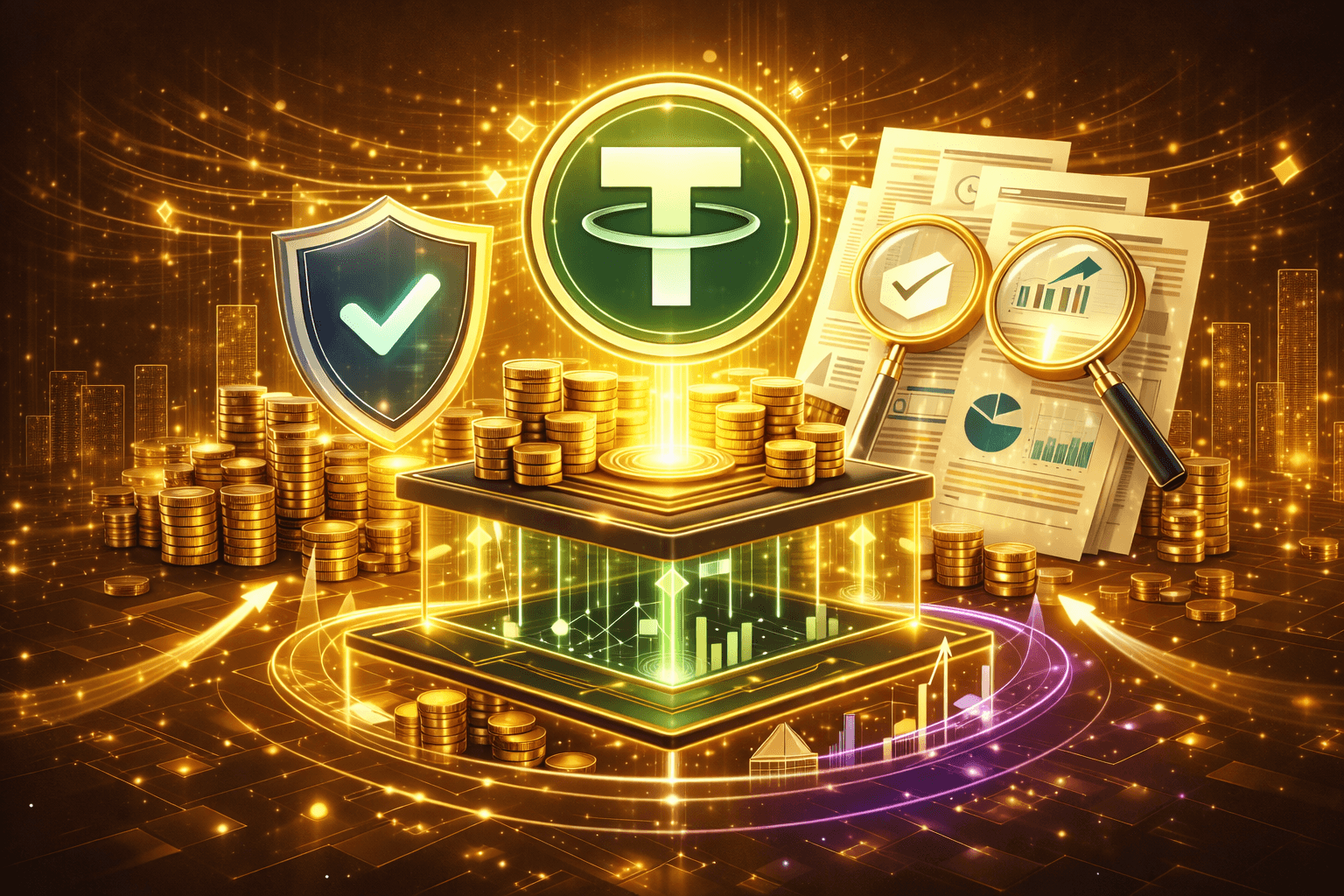
USDT minted is based on actual USD and equivalent assets such as treasury bills.
Burn process ensures that the supply of USDT always balances with collateral assets.
Tracking on-chain Mint & Burn data
Supported platforms
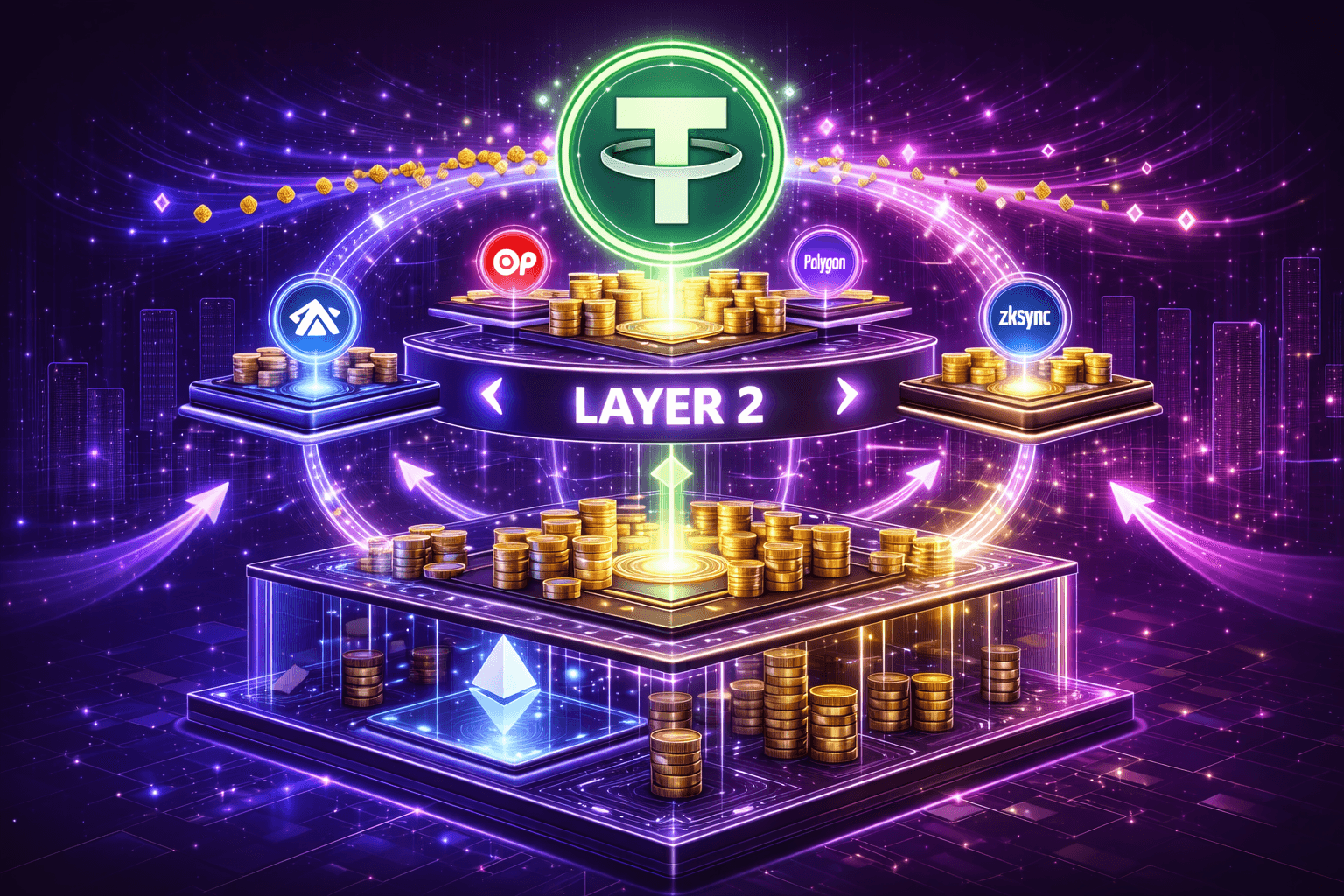
Ethereum (ERC-20), TRON (TRC-20), Solana (SPL)
Block explorers allow public checking of Mint & Burn history.
Data significance
Increased Mint → a sign of increased demand for USDT, indicating the crypto market is about to heat up.
Increased Burn → a sign of outflow of funds, which may be a warning of market volatility.
Transparency and trust
Tracking Mint & Burn helps investors trust the ability to maintain the peg.
Reduces the risk of temporary peg loss or price volatility of USDT.
Practical applications of Mint & Burn
Increased liquidity for exchanges
Large exchanges need USDT to trade spot and margin.
Minting more USDT → large trading volume, avoids liquidity shortages.
Supporting DeFi and Lending
Lending/borrowing needs USDT in liquidity pools.
Flexible Mint/Burn → the stability of DeFi protocols.
Stabilizing the market during volatility
When the price of Bitcoin spikes, investors need to buy USDT to protect their capital.
Quick Mint helps prevent USDT prices from rising on exchanges.
Risks and challenges
Transparency of collateral assets
Tether needs to disclose the source of USD reserves & treasury bills to ensure reasonable Minting.
Lack of transparency → suspicion of peg loss.
Short-term peg loss potential
If Mint/Burn is slow, the price of USDT on exchanges may fluctuate slightly compared to USD.
Dependent on Tether Limited
USDT is a centralized stablecoin, Mint/Burn is determined by Tether.
Users need to trust Tether to manage the process correctly.
Conclusion
Mint & Burn are the soul of USDT, helping to maintain stability, a 1:1 peg, and market liquidity.
Mint: Create USDT when demand increases, increase liquidity, support DeFi.
Burn: Destroy USDT when demand decreases, maintain the peg and stabilize the market.
Understanding the Mint & Burn mechanism helps investors:
Track USDT flow in the market.
Predict price fluctuations and trading opportunities.
Trust in the transparency and stability of the world's number one stablecoin.